Your driveway and walkway are often the first thing visitors actually walk on before reaching your front door. Good driveway and walkway design does double duty: it needs to function well and set the tone for the rest of your property.
Choose Materials Based on Function First
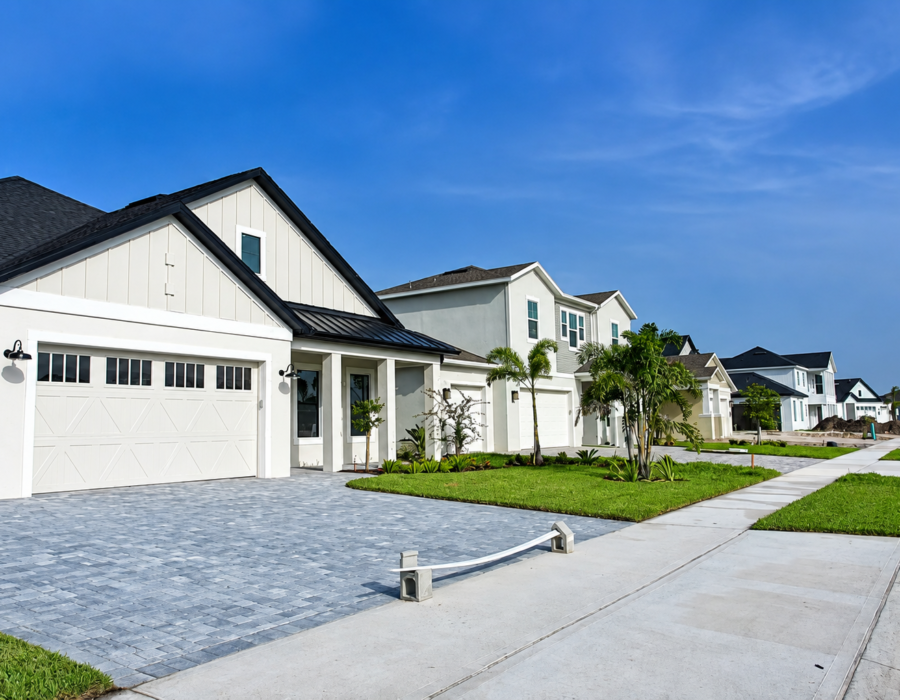
Different materials serve different priorities. Concrete is durable, versatile, and can be stamped or colored to mimic more expensive materials. Asphalt is affordable and quick to install, though typically limited to black unless paired with decorative borders. Pavers offer strong drainage and a wide range of customizable patterns and colors.
Start with what matters most for your situation, budget, durability, or drainage, and let that narrow your material choice before worrying about specific patterns or finishes.
Consider Permeable Options for Drainage
Standard concrete and asphalt shed water rather than absorbing it, which can contribute to runoff and pooling during heavy rain. Permeable pavers allow water to pass through the surface, reducing runoff and helping prevent flooding or erosion around the driveway edges.
This option works especially well for properties with drainage challenges, since it solves a functional problem while still offering a range of design patterns.
Curves Add Movement, Straight Lines Add Formality
The layout of your driveway or walkway shapes how the whole approach feels. A curved path creates a sense of movement and gradual reveal as visitors approach the home. A straight path feels more formal and direct, emphasizing efficiency over atmosphere.
Neither approach is inherently better. The right choice depends on your home’s overall architectural style and how much of a journey you want the entry sequence to feel like.
Use Patterns to Add Visual Interest
A plain poured surface works, but decorative patterns elevate the design considerably. Herringbone brick, stamped concrete finishes, or stone inlays all add texture and visual interest without changing the underlying material’s durability.
According to Houzz, stone remains a consistently popular material choice specifically because of the texture, durability, and timeless character it brings to a driveway or walkway design.
Add Borders and Edging for a Finished Look
A driveway or walkway without any border can look unfinished, even if the surface material itself is high quality. Contrasting materials, colors, or textures along the edges give the whole path a cleaner, more intentional appearance.
This is a relatively small addition that meaningfully changes how polished the final result looks, guiding the eye along the path rather than leaving the edges to blend awkwardly into surrounding grass or gravel.
Match Your Walkway to Your Driveway
If you have both a driveway and a separate front walkway, using complementary, not necessarily identical, materials creates a cohesive look across the whole property. A paver walkway paired with a paver driveway feels unified, while mismatched materials can make the property feel disjointed.
They don’t need to be exactly the same material or pattern. Similar tones or a shared design language, like matching border details, achieves the same cohesive effect without requiring identical surfaces.
Consider a Raised Walkway for Uneven Terrain
If your property has uneven ground or a garden that a flat walkway would cut through awkwardly, a raised wooden boardwalk solves both a practical and aesthetic problem. It steers foot traffic away from muddy or sloping areas while adding a distinct visual element to the landscape.
Lining the edges of a raised walkway with flowering plants or ornamental grasses softens the structure and ties it back into the surrounding garden.
Separate Pedestrian Paths From Vehicle Areas
Combining foot traffic and vehicle traffic on the same surface creates both a safety concern and a design compromise. A separate walkway, even a narrow one, keeps pedestrians away from cars while allowing each surface to be designed for its specific purpose.
This separation also gives you more design flexibility, since a walkway meant only for walking can use a different, sometimes more delicate, material than a driveway that needs to support vehicle weight.
Light the Path for Safety and Atmosphere
A beautifully designed walkway loses much of its function after dark without adequate lighting. Solar-powered path lights or low-voltage fixtures along the edges improve both safety and evening curb appeal.
This lighting doesn’t need to be elaborate. Even simple, evenly spaced fixtures along a walkway’s edge meaningfully improve nighttime visibility while adding a warm, welcoming glow to the approach.
The Takeaway
Good driveway and walkway design starts with choosing materials suited to your actual needs, then layers in pattern, borders, and lighting to create a finished, cohesive look. None of these choices need to be made in isolation from the rest of your exterior design.
Since walkway lighting plays such a direct role in both safety and evening appeal, choosing the right outdoor fixtures for this specific application ensures your path looks as good after dark as it does during the day.