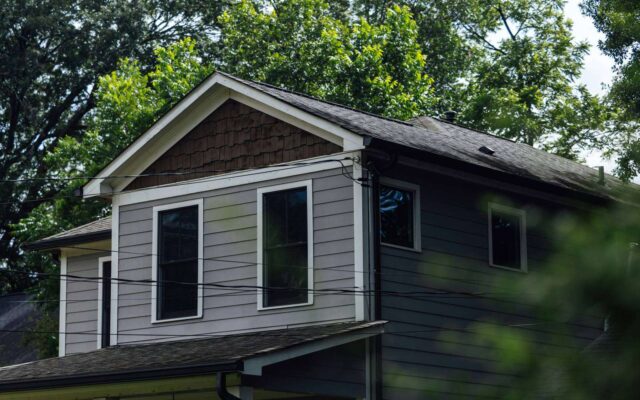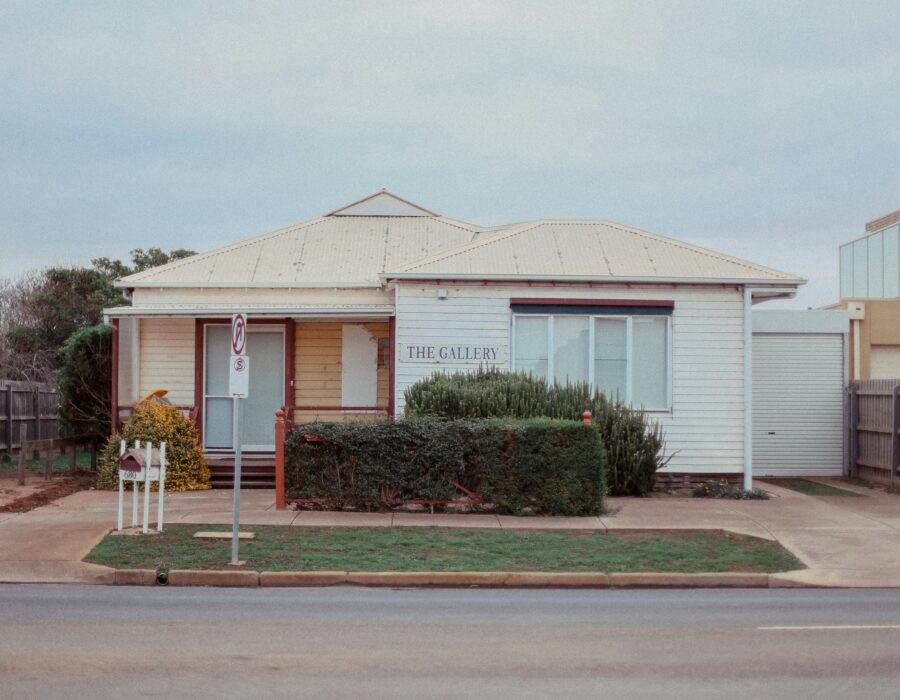
A striking home facade doesn’t require a full remodel or a massive budget. Learning how to design a home facade on a budget comes down to prioritizing the changes that offer the most visible impact for the least cost.
Start With a Fresh Look at What You Already Have
Before spending anything, walk across the street and study your home’s exterior as if seeing it for the first time. According to This Old House, simple, budget-conscious improvements can recoup a meaningful amount of value at resale, especially when they address visible wear rather than adding entirely new features.
Look specifically for peeling paint, crooked fixtures, or overgrown plants that may have faded into the background of daily life. This honest assessment helps you prioritize based on what’s actually visible, not just what feels outdated to you personally.
Paint the Front Door First
Few updates offer as much visual impact per dollar as a freshly painted front door. A bold or contrasting color instantly draws attention and sets the tone for the entire facade, often for the cost of a single quart of paint.
This is worth doing before almost any other budget project, since it’s inexpensive, fast, and consistently ranked as one of the highest-impact low-cost updates available.
Repair Rather Than Replace Where Possible
Rusted metal hardware, worn railings, or dated fixtures don’t always need full replacement. Sanding and repainting with weatherproof spray paint can restore the look of hardware for a fraction of replacement cost.
Straightening loose gutters, resetting leaning railings, and replacing missing or hard-to-read house numbers are all small repairs that meaningfully affect how well-maintained a home appears, without requiring a major purchase.
Focus Your Budget on the Entry
The front entrance is the focal point of any home’s exterior and usually the first thing visitors notice. If your budget is limited, concentrating spending here delivers more visible return than spreading small amounts across the entire property.
A pair of coordinating potted plants, updated door hardware, and a clean, well-lit entryway can transform how the whole home reads, even if the rest of the facade stays untouched for now.
Update Lighting Fixtures Selectively
You don’t need to replace every exterior light to see a difference. Look for fixtures with the same mounting system as your current ones to save on installation cost, and prioritize the fixtures nearest your entrance, since these get the most visual attention.
Warm, consistent bulbs across whatever fixtures you do update prevent the facade from feeling mismatched, even if not every fixture is brand new.
Use Paint Strategically, Not Everywhere
A full exterior repaint is expensive, but targeted paint updates aren’t. Repainting trim, shutters, or columns in a fresh color can lift a tired facade without the cost of repainting the entire siding.
This approach works particularly well if your main siding color is still in good condition and simply needs contrast or a refreshed accent to feel current again.
Address Landscaping Before Adding New Plants
Overgrown or poorly maintained landscaping detracts from even a beautifully designed facade. Before buying new plants, trim back what’s overgrown and remove anything dead or damaged.
This cleanup alone often improves the facade’s appearance significantly, and it costs nothing beyond your own time. Only after this step does it make sense to invest in new plantings.
Add Window Boxes or Shutters for Character
Blank, featureless windows can make a facade feel flat. Window boxes with simple foliage, or shutters in a color that complements your siding, add architectural character without requiring structural changes.
These additions work especially well on plainer facades that lack natural architectural detail, giving the eye something to focus on beyond a flat wall and window openings.
Refinish a Worn Walkway or Path
A cracked or stained concrete path pulls attention downward in a way that undercuts everything else you’ve updated. A colored concrete stain or simple brick edging can refresh an existing walkway without the cost of full replacement.
This is a relatively quick project that noticeably changes how the whole approach to your home feels, since it’s one of the first surfaces visitors actually walk across.
Review the Whole Facade Before Adding More
After each change, step back and view the exterior from the street, the same vantage point anyone else will see it from. This helps you gauge whether the facade is starting to feel busy or if there’s still room for another focused update.
Prioritizing repairs first, then moving to entrance-focused updates, keeps a budget project from feeling scattered or incomplete partway through.
The Takeaway
Learning how to design a home facade on a budget comes down to prioritizing visible repairs and entrance-focused updates over a full exterior overhaul. A painted door, refreshed hardware, and cleaned-up landscaping often do more for curb appeal than a single expensive addition.
Since the front door plays such a central role in this kind of budget facade update, choosing a color that genuinely pops is worth getting right before moving on to any other exterior project.