Outdoor furniture faces a tough job. Sun, rain, humidity, and temperature swings all take a toll over time. Choosing real all-weather outdoor furniture comes down to one thing: knowing which materials actually hold up, not just which ones look sturdy.
Teak Remains the Gold Standard for Wood
When it comes to outdoor wood, teak wins almost every time. According to Studio McGee, teak’s dense grain and high oil content make it naturally resistant to UV rays, moisture, and pests.
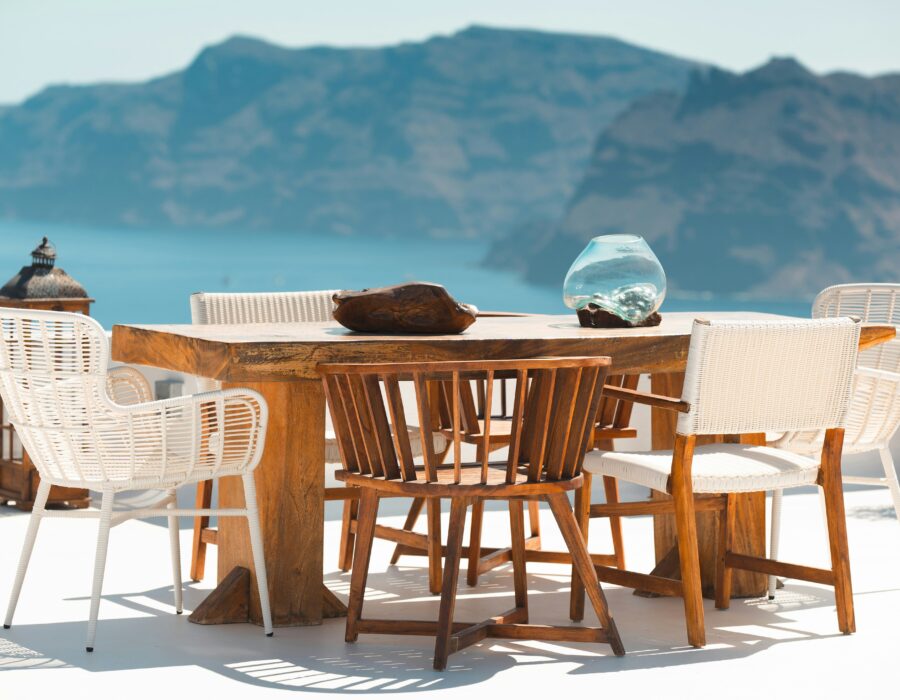
Over time, teak turns a soft silvery-gray instead of falling apart. Many people love this look. With proper care, teak doesn’t just survive outside. It actually gets better with age.
Powder-Coated Aluminum Handles Almost Any Climate
Aluminum is light and naturally rust-resistant. Add a powder coating, and it gains extra protection against chipping and corrosion too.
This combo makes it one of the most dependable frame materials out there. It works well in humid summers, salty coastal air, or the occasional freeze.
Resin Wicker Fixes What Natural Wicker Gets Wrong
Natural wicker looks lovely. But it soaks up water fast, which leads to warping and mildew.
Resin wicker solves this. It uses a synthetic weave, usually over a rust-resistant metal frame, that doesn’t hold moisture the same way. You get the woven look without the upkeep.
Match Materials to Your Actual Climate
Not every “durable” material works everywhere. Humid or rainy regions do best with resin wicker or rust-resistant aluminum.
Coastal areas need something different. Salt air eats through cheaper metals fast, so resin wicker or mixed-material furniture built for seaside use holds up better. In hot, sunny climates, high-density polyethylene wicker or teak resist UV damage without breaking down.
Avoid Wrought Iron Unless You’ll Maintain It
Wrought iron looks striking. But it rusts fast without regular care, especially somewhere humid.
If you love the look, be ready to treat and touch it up often. Or choose a powder-coated version instead, since it offers far better protection than raw iron.
Choose Performance Fabric for Cushions
Frame material matters. But cushion fabric decides a lot of the day-to-day comfort and lifespan too.
Performance fabrics like Sunbrella resist UV fading, moisture, and stains. Standard indoor-style fabric left outside will fade and wear out far faster, even on a great frame.
Consider HDPE for Simplicity
HDPE is a recycled plastic material. It’s often called one of the best all-around choices for furniture you’ll leave outside year-round.
It resists UV damage. It doesn’t soak up water. And it needs almost no maintenance, so there’s no winter storage hassle either.
Use Covers to Extend Any Material’s Life
Even tough materials last longer with some protection. A simple furniture cover during heavy rain, snow, or the off-season reduces wear on both frames and cushions.
This one habit is cheap. But it meaningfully extends the life of almost any outdoor furniture, no matter how durable it already is.
Don’t Assume “Outdoor” Means “All-Weather”
Not every piece labeled outdoor is built for real year-round exposure. Some handle light rain fine but fail in harsh winters. Others resist water but fade badly in strong sun.
Always check the specific material and care details. Don’t just trust the general “outdoor” label, since it doesn’t guarantee much on its own.
The Takeaway
Choosing real all-weather outdoor furniture means matching material to your climate. Teak or powder-coated aluminum work almost everywhere. Resin wicker suits humidity. Performance fabric protects any cushioned seating.
Once your furniture is chosen, arranging it well in a smaller outdoor space makes sure it actually gets used, instead of sitting unused in a poorly planned layout.