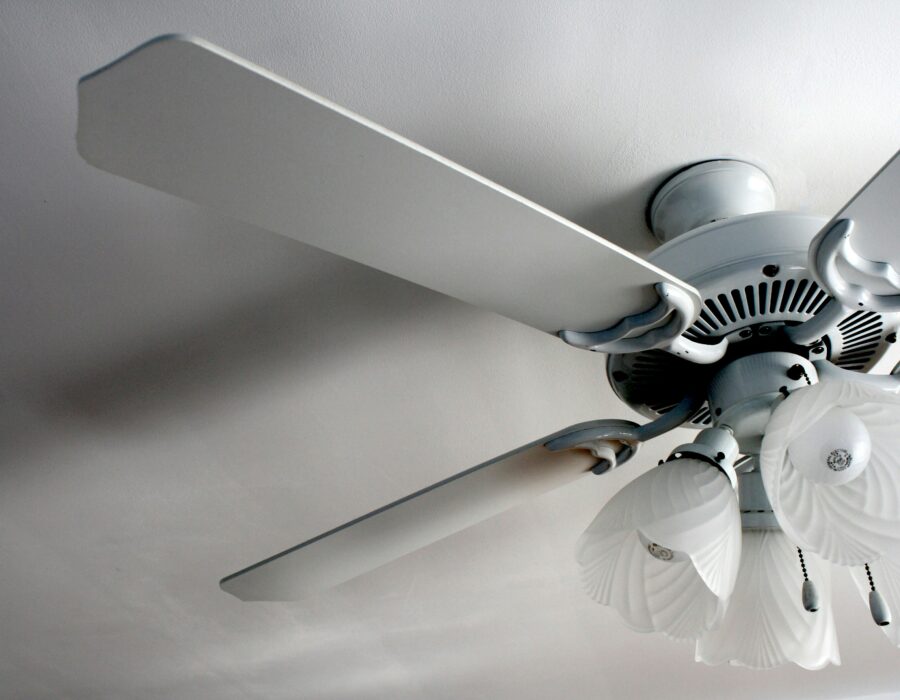
A ceiling fan does more than just cool a room. Finding the best ceiling fans for bedrooms means matching size, height, and noise level to how you actually sleep.
Size the Fan to Your Room’s Square Footage
Blade span, not blade count, determines a fan’s real performance. According to Lowe’s, a fan too small struggles to circulate air properly, while an oversized fan can overpower a space entirely.
Small rooms, up to 225 square feet, generally need a fan up to 51 inches. Most bedrooms fall comfortably within this range.
Match Fan Size to Common Bedroom Dimensions
Bedrooms typically run between 120 and 200 square feet. This size range calls for a blade span around 44 to 50 inches in most cases.
Smaller bedrooms, under 144 square feet, do better with a 36 to 42 inch span. Going larger here often overwhelms the room both visually and physically.
Mounting Height Affects Airflow Significantly
Even the perfect fan size fails at the wrong height. Blades should sit 7 to 9 feet above the floor for the best circulation.
Flush mounts suit ceilings under 8 feet. Downrod mounts work better for taller ceilings, lowering the fan into the ideal airflow zone.
Prioritize Quiet Operation for Bedrooms
Bedrooms need something living rooms don’t: genuine quiet. A noisy motor or unbalanced blades can interrupt sleep, even at low speeds.
Look specifically for hushed motor designs and blade shapes built to reduce whooshing sounds. This matters more here than in almost any other room in the house.
Blade Count Matters Less Than People Assume
Modern fan engineering has shifted what actually affects performance. Blade span and blade pitch now matter more than how many blades a fan has.
Three or four blades give a cleaner, more modern look. Five blades lean more classic and tend to blend into a room’s existing style.
Consider CFM for Real Airflow Comparison
Blade span gives a general sense of a fan’s power, but CFM, cubic feet moved per minute, tells the real story. Bedroom fans generally fall somewhere between 1,600 and 4,500 CFM depending on size.
Comparing CFM ratings between similarly sized fans helps distinguish a genuinely powerful model from one that just looks larger.
LED Lighting Adds Function Without Extra Fixtures
Fans with integrated LED lighting handle both cooling and illumination in one ceiling-mounted piece. This works especially well in bedrooms where a separate overhead light isn’t always necessary.
LED bulbs also last significantly longer than older bulb types, often rated for tens of thousands of hours before replacement becomes necessary.
Match Finish to Your Bedroom’s Existing Style
A fan’s finish affects how intentional it looks once installed. Matching it to your room’s existing metals, whether brass, matte black, or brushed nickel, keeps the fixture from feeling like an afterthought.
A simple finish and clean blade shape tends to age well in bedrooms specifically, since bold or trendy styles can feel dated faster than neutral options.
Check Clearance and Ceiling Height Before Buying
Confirm your ceiling height and available clearance before finalizing a fan choice. A beautiful fan that can’t be safely mounted at proper height, or that clears furniture poorly, creates ongoing frustration rather than comfort.
Measuring the room and ceiling height first, then matching that data against a sizing chart, prevents this kind of mismatch entirely.
Look for Reverse Function for Year-Round Use
Many modern ceiling fans include a reverse function, which changes the blade direction for winter use. This circulates warm air that naturally rises back down into the room.
This small feature extends a fan’s usefulness well beyond just summer cooling, making it a year-round comfort tool rather than a seasonal one.
The Takeaway
Choosing the best ceiling fans for bedrooms comes down to matching blade span to your room’s actual square footage, mounting at the correct height, and prioritizing quiet operation above all else. Style matters too, but function should drive the decision first.
Since a comfortable bedroom depends on more than airflow alone, pairing the right fan with a supportive overall layout helps the whole room work toward genuinely better sleep.


