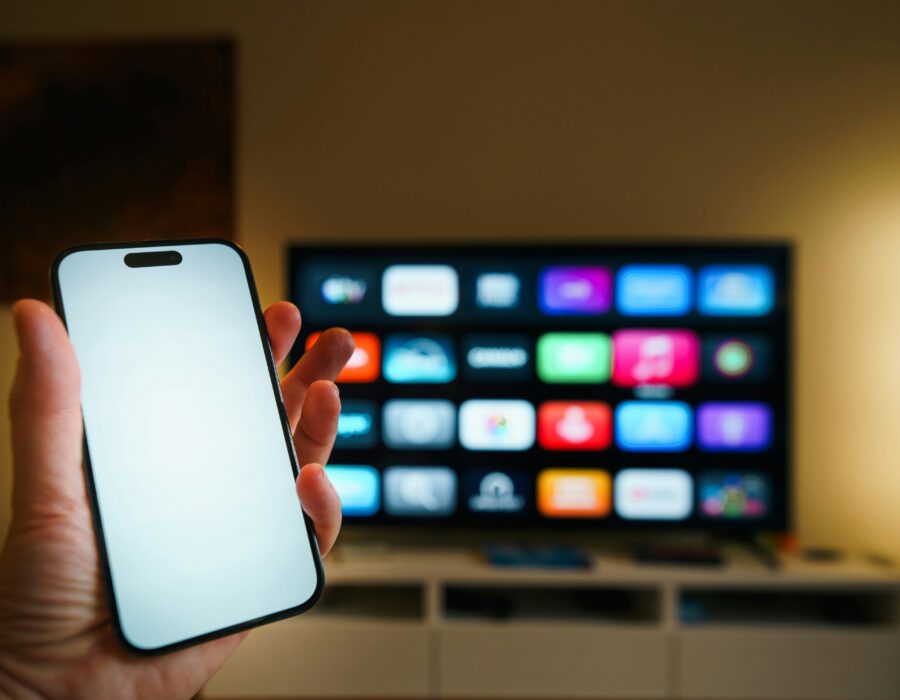
Smart home technology has moved well past early adopters. Finding the right smart home devices for new homeowners now means navigating genuine, mainstream options built for everyday use.
Start With a Central Platform
Every smart home needs a hub to tie devices together. Choosing the wrong ecosystem early leads to hours of troubleshooting compatibility issues later.
Most major platforms now support Matter, a protocol solving years of fragmentation. This means devices from different brands work together more easily than ever before.
Only Buy Matter-Certified Devices
This single rule matters more than any specific brand choice. Matter certification typically adds only $5 to $15 per device.
That small premium buys real ecosystem independence. Switching brands later, or mixing devices, becomes far less painful with certified products.
Smart Thermostats Deliver the Fastest Payback
Few smart home categories save money as directly as thermostats. Typical savings run $150 to $300 per year, depending on your home and climate.
Occupancy sensors and learning schedules drive these savings. The thermostat adjusts automatically, cutting HVAC runtime without sacrificing comfort.
Smart Locks Solve Real Everyday Problems
Locks have shifted from novelty to genuinely practical upgrade. Guest access, remote unlocking, and auto-lock features address real daily friction.
Test more than phone unlocking before committing to a model. Keep a mechanical key available, and check how the lock behaves when internet access drops.
Security Cameras Need the Right Feature Priorities
Video resolution and night vision matter most for actual usefulness. AI-based motion or person detection reduces false alarms significantly compared to basic motion sensors.
Storage choice affects both cost and convenience. Cloud storage offers easy access but usually requires a monthly fee, while local storage skips subscriptions entirely.
Video Doorbells Combine Security and Convenience
A wide field of view captures more of your entry area than a narrow lens. Two-way audio lets you speak with visitors remotely, which matters for both convenience and safety.
Integration with your existing platform matters here too. A doorbell that works smoothly with your other devices creates a more seamless overall system.
Smart Bulbs Offer the Easiest Starting Point
Lighting remains one of the most affordable ways into home automation. Smart bulbs handle scheduling, remote control, and color adjustment without any wiring changes.
Smart switches solve a related problem differently. They let you automate existing bulbs, which matters if you already own fixtures you don’t want to replace.
Match Devices to Your Actual Priorities
Security-focused buyers should start with cameras, doorbells, and locks specifically. Energy-conscious households benefit most from thermostats and smart lighting instead.
According to Consumer Reports, independent lab testing across categories like security cameras and smoke detectors helps buyers separate genuinely reliable products from marketing claims alone.
Consider Professional Monitoring for Comprehensive Security
Beyond individual cameras, comprehensive security systems add environmental sensors and glass break detection. Professional monitoring services provide 24/7 coverage without requiring you to personally watch every alert.
This layer of protection suits homeowners who want security beyond what a standalone camera or doorbell can provide on its own.
Avoid Buying Technology Just Because It’s New
Not every flashy new device improves daily life meaningfully. The best smart home devices are ones that solve an actual problem you regularly experience.
Resisting the urge to buy purely for novelty keeps your smart home investment focused and genuinely useful, rather than a collection of gadgets that go unused after the first week.
The Takeaway
Choosing the right smart home devices for new homeowners starts with a Matter-certified platform, then builds out based on your actual priorities, security, energy savings, or convenience. Thermostats and locks tend to deliver the most immediate, practical value for most households.
Since a smart home still relies on solid physical maintenance underneath the technology, building out a basic homeowner toolkit alongside your smart device setup covers both the digital and hands-on sides of managing a new home.