Your bedroom’s color does more than look nice. It quietly shapes how well you sleep. Finding the best bedroom colors for relaxation isn’t just about style. It’s backed by real science.
Why Color Affects Sleep at All
Colors trigger physical responses, not just emotional ones. Some hues can lower heart rate. Others raise alertness.
According to Better Sleep, certain shades can reduce stress and even affect blood flow regulation. So the color on your wall isn’t neutral. It’s actively working for or against your rest.
Blue: The Most Reliable Choice
Blue consistently ranks as the top color for sleep. It’s calming, orderly, and closely tied to feelings of safety.
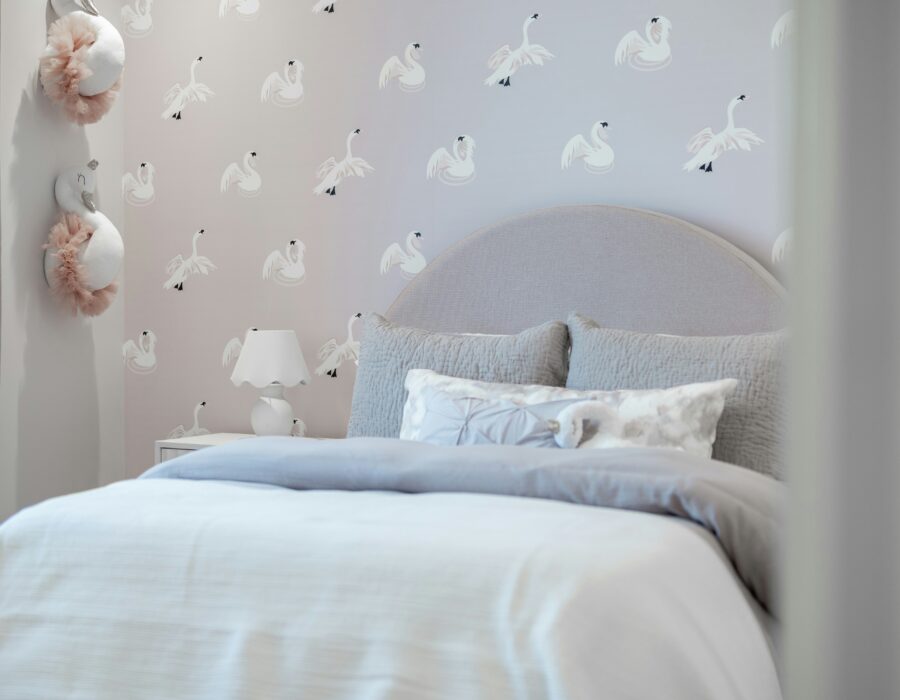
Research links blue rooms to lower heart rate and blood pressure. Both matter when you’re trying to wind down. Soft, muted blues work best. Bright, saturated blue can feel more energizing than restful.
Green: A Close Second
Green brings a similar calm to blue, with a touch more warmth. It’s often described as easy on the eyes.
Sage and muted green tones work particularly well. They feel natural without leaning too bold. This makes green a solid pick if pure blue feels too cool for your taste.
Soft Neutrals: The Safe, Flexible Option
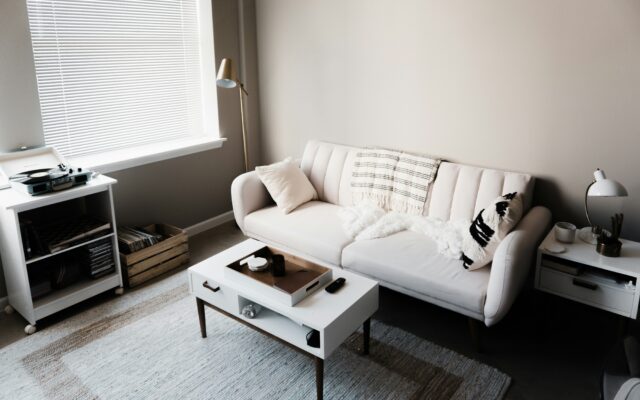
Beige, warm gray, and off-white all support a calm bedroom. They’re less dramatic than blue or green, but still effective.
Neutrals also age well. They won’t feel dated in a few years, and they pair easily with almost any bedding or furniture you already own.
Colors to Avoid in the Bedroom
Bright red raises heart rate and energy. That’s the opposite of what a bedroom needs. Bold purple can spark creativity, which keeps your mind active instead of settling down.
Bright yellow and orange are cheerful, but overstimulating at bedtime. Even very dark colors, like black or deep brown, can feel heavy rather than cozy if used across an entire room.
You Don’t Have to Give Up Bold Colors Completely
If you love a bold shade, you don’t need to avoid it entirely. Use it in small doses instead. Think accent pillows, artwork, or a single decorative piece.
Keep your main wall color soft and muted. Let the bold tone show up in details you can easily change later, rather than something permanent like paint.
How Light Affects Your Color Choice
Color doesn’t work alone. Light changes how any color reads in a room. Soft, muted tones reflect less light, which reduces mental stimulation before bed.
Bright, saturated colors do the opposite. They create a more energizing effect, even in dim lighting. This is worth remembering if your bedroom already gets a lot of natural light during the day.
Testing a Color Before Committing
Don’t trust a paint chip alone. Paint a two-foot square swatch directly on your wall. Look at it under your actual bedroom lighting, not just daylight.
This matters even more in a bedroom, since you’ll mostly see this color in evening light, right before sleep. A color that looks calm at noon can feel completely different under a warm lamp at 10pm.
Matching Color to Your Own Sleep Struggles
If you’re an overthinker, or someone who struggles to switch off at night, blue is worth prioritizing. Its calming effect is the most consistently documented across studies.
If you want a fresher, more natural feel without going fully cool-toned, sage green offers a nice middle ground. It’s calming, but slightly warmer than blue.
The Takeaway
The best bedroom colors for relaxation aren’t a matter of trend or personal flair alone. Blue, green, and soft neutrals are backed by real research on stress and sleep quality. Save bold, energizing colors for small accents, not your main walls.
Once your color palette is set, the rest of your bedroom layout matters just as much, since a calming color on a cluttered wall won’t do the job alone.