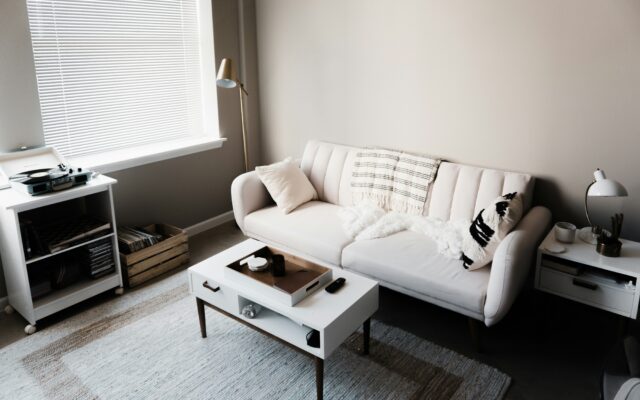
Flat, single-color walls are losing their grip. Limewash walls are taking over instead, and the reason comes down to one word: texture.
What Limewash Actually Is
Limewash is a mineral-based paint, not a standard latex product. It’s brushed on in thin, cloudy layers instead of rolled flat.
The result looks soft and slightly uneven. No two spots on the wall look exactly alike. That’s the whole point.
Why This Trend Is Replacing Shiplap and Accent Walls
Shiplap had its moment. Now it’s fading, and limewash is stepping in.
Interior designer Artem Kropovinsky told House Digest that 2026 is leaning away from added lines on a wall. Instead, mineral plaster finishes are taking over, applied by hand rather than nailed on as panels.
The reasoning makes sense. A limewashed wall adds depth without adding physical bulk. It feels more built-in, less decorated.
The Application Technique Matters More Than the Color
This isn’t a roller-and-done project. Limewash goes on with a wide brush, using a crosshatch or figure-eight motion.
Here’s the part most first-timers miss. You have to keep a wet edge the whole time you’re working. Stop halfway across a wall, and you’ll get a hard line where old and new paint meet. That line doesn’t blend back in.
Prep Work Isn’t Optional
Skipping primer is the fastest way to a failed limewash job. A mineral-specific primer creates a surface the limewash can actually grip and cure into.
One coat usually covers previously painted drywall. Let it dry fully, about 24 hours, before starting your first limewash coat.
Test Color Directly on Your Wall, Not on a Card
Limewash dries lighter than it looks in the can. According to The Decora Company, a color can dry 30 to 50 percent lighter once cured, depending on pigment and coat count.
So a sample card isn’t enough. Buy a small test quantity. Apply it directly to your actual wall, not a spare board, since wall texture changes how the color reads. Let it cure for a full 48 hours before judging the color in different light.
Which Colors Are Trending Right Now
Warm neutrals are leading the pack. Terracotta, sandy taupe, and soft clay tones are everywhere this year, especially paired with raw wood and brass hardware.
Moody colors work too. Deep olive, indigo, and forest green all show up well in limewash’s cloudy, uneven finish. The texture softens even a bold, dark color, so it reads as calming rather than heavy.
Best Rooms to Try This In
Living rooms handle a full limewash treatment well. Applying it to all four walls creates an immersive, cocoon-like feel that shifts subtly as daylight changes throughout the day.
Bedrooms work nicely too, especially paired with warm wood tones. A single limewashed wall behind the bed adds texture without overwhelming a room meant for rest.
Should You DIY This or Hire a Pro
This is the honest part most trend articles skip. Limewash is more forgiving than paint in some ways, since imperfections are part of the look. But it’s also harder to control than rolling on flat color.
Kropovinsky’s advice is blunt: invest in a professional installer for the best result. If you’re set on doing it yourself, start small, a powder room or a single accent wall, before attempting a full living room.
The Takeaway
Limewash walls work by trading flat, uniform color for texture and depth. The technique, keeping a wet edge, testing on the actual wall, prepping properly, matters as much as the color you pick.
If you’re drawn to bold, immersive walls, color drenching follows a similar philosophy using standard paint instead of plaster, worth comparing before you commit to either approach.