A renovation budget isn’t just a number you hope works out. Learning how to budget for a home renovation realistically means understanding where the money actually goes before you start.
Use Your Home’s Value as a Starting Guide
A common budgeting benchmark suggests spending no more than 30% of your home’s value on renovations overall. According to Fidelity, staying within this range helps protect your financial position and avoids renovations that exceed your property’s actual value.
For a single room, a tighter guideline of 10 to 15% of your home’s total value is a more realistic ceiling. This keeps individual projects in proportion with your overall investment.
Choose Your Projects Before Estimating Costs
It’s tempting to want everything done at once, new floors, updated appliances, a fresh bathroom, all in the same renovation cycle. But trying to tackle too much simultaneously usually stretches a budget past its breaking point.
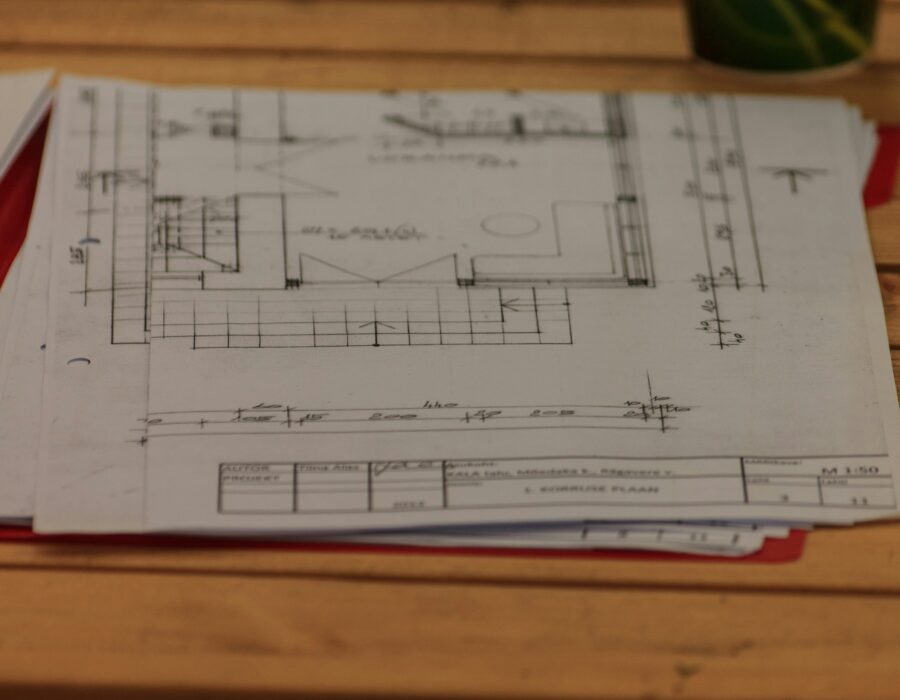
Prioritize which projects matter most to you right now. This clarity makes every other budgeting decision easier, since you’re working from a defined scope rather than an open-ended wish list.
Research Real Costs Before Committing to a Number
Online research gives you a ballpark figure, but actual costs vary by region, contractor, and material choice. Get multiple contractor bids for the same scope of work before finalizing your budget.
This step takes time, but it prevents the common mistake of setting a budget based on rough guesses that don’t reflect your actual local market.
Build In a Real Contingency Fund
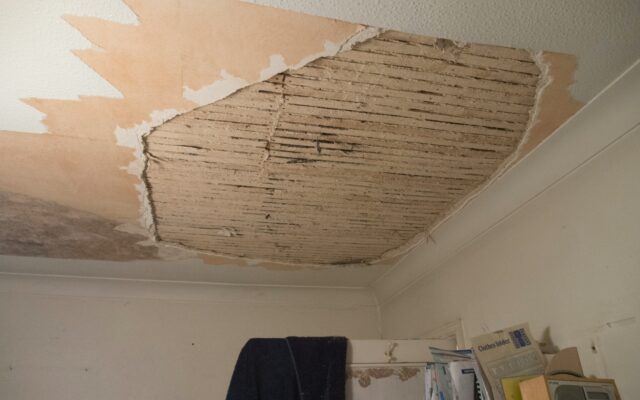
No matter how carefully you plan, renovations uncover surprises, old wiring, water damage, structural issues hidden behind walls. A contingency fund of 10 to 20% on top of your planned budget accounts for these near-inevitable discoveries.
This isn’t pessimistic planning. It’s simply acknowledging that opening up walls and floors in an existing home almost always reveals something unexpected.
Understand What You’ll Actually Recoup
Not every renovation dollar comes back to you at resale. Most projects recoup somewhere around 60 to 75% of their cost, depending on the project type and local market conditions.
Kitchen and bathroom updates, along with curb appeal improvements, typically offer stronger returns than highly personalized additions. Keeping this in mind helps you weigh personal enjoyment against pure investment value when deciding where to allocate your budget.
Avoid Financing Renovations With High-Risk Debt
Using financing or a home equity line of credit to fund renovations puts your home at risk if you can’t keep up with payments. A safer approach is saving up in advance with a dedicated fund and paying with cash when possible.
If financing is genuinely necessary, understand the terms fully before committing, and factor the cost of borrowing into your overall renovation budget, not just the renovation itself.
Account for Labor, Permits, and Design Fees, Not Just Materials
A realistic budget includes far more than the visible materials, cabinets, tile, flooring. Labor costs, permit fees, and any design or consultation fees all add up and need their own line items in your planning.
Skipping this step leads to a budget that looks reasonable on paper but falls apart once the full scope of actual project costs becomes clear.
Build In Extra Time, Not Just Extra Money
Budgeting isn’t only about dollars. Almost every renovation takes longer than initially estimated, whether due to material delays, design changes, or unexpected repairs uncovered mid-project.
Adding 20 to 30% to your contractor’s estimated timeline helps you plan realistically, both financially and logistically, for a project that runs longer than the original schedule suggested.
Vet Contractors Within Your Budget, Not Just Around It
Finding a contractor you trust involves more than comparing quotes. Check their insurance, certifications, and references, and interview them directly before committing to a specific budget number based on their estimate.
A slightly higher quote from an experienced, properly insured contractor often protects your budget better than a cheaper option that leads to costly rework later.
Track Spending as You Go, Not Just at the Start
A budget set before the project begins needs active tracking throughout, not a one-time calculation you forget about once work starts. Regularly comparing actual spending against your plan helps you catch overruns early, while there’s still room to adjust.
This ongoing awareness makes it far easier to make informed tradeoffs mid-project, rather than discovering a serious budget problem only after it’s too late to course-correct.
The Takeaway
Learning how to budget for a home renovation realistically comes down to research, contingency planning, and honest accounting for labor and time, not just material costs. A budget built on real numbers, with room for the unexpected, protects both your project and your finances.
Since budget overruns are one of the most common renovation problems, understanding the other mistakes first-time homeowners typically make alongside your budgeting process helps you avoid the full range of pitfalls, not just the financial ones.