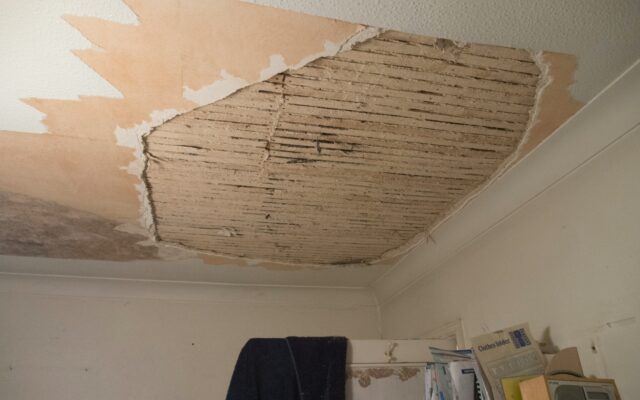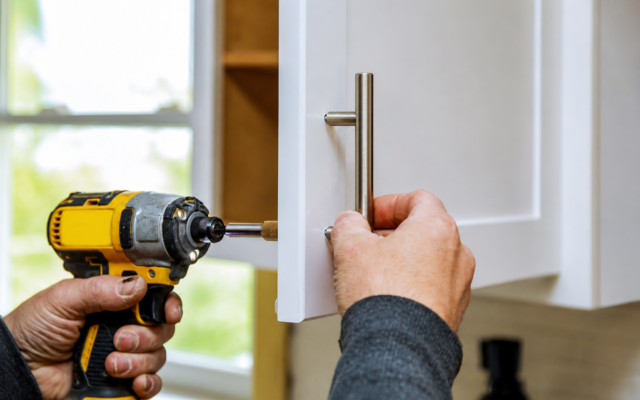
Every renovation raises one big question. Should you DIY it, or hire a pro?
The answer isn’t about labor cost alone. A few honest factors decide it.
Start With the Three Ts
Angi calls this the three Ts: time, tools, and talent.
Got all three? DIY is a fair choice. Missing even one is your sign to call a pro.
Without enough time, a project drags on. Skipping tools adds rental costs. Lacking talent brings real risk.
Think About What Could Go Wrong
Before you start, picture the worst case. A cosmetic slip is fine, but water damage isn’t.
Neither is a structural issue. Here’s a simple test: ask what could go wrong, and what fixing it would cost.
A scary number means one thing. Hire a pro.
DIY Costs More Than Materials
Most people compare costs by materials alone. That comparison skips real expenses.
Tool purchases add up quickly. Wasted material adds more. Your own time counts too.
Pros waste less material than beginners do, since experience cuts down mistakes. A DIY project often costs more than it looks on paper.
Fixing Mistakes Costs Real Money
Angi’s survey found something telling: many DIYers still hired a pro later.
Most of them spent more than planned. A good number regretted trying it alone.
None of this means DIY always fails. Compare the right things instead: successful DIY versus a pro fixing a failed job.
Some Work Always Needs a Pro
Electrical work needs a license. Gas and plumbing need one too, and so does structural work.
These risks differ from cosmetic ones. A bad wiring job can start a fire. A bad pipe job can flood a room.
Confidence doesn’t change the math here. These risks simply aren’t worth the savings.
Try a Hybrid Approach
Picking one side entirely isn’t necessary. Many projects mix both.
Handle the demo yourself, then hire a pro for the tricky part. Costs drop this way, and risky work stays in safe hands.
Be Honest About Your Skill
A few YouTube videos feel like training. Real skill comes from actual practice, though.
New to this kind of project? Start small. Try one accent wall first.
Small mistakes there cost little. Bigger ones elsewhere cost a lot more.
Value Your Own Time
A two-day pro job might take you two full weekends, sometimes longer.
Be honest about what your time is worth. Twenty hours of DIY work needs to actually be worth the savings.
Skip the Lowest Bid
Rushing to the cheapest quote is a mistake. A very low bid often means shortcuts.
It can also mean no license, or no insurance. A mid-range bid, backed by references, usually wins out.
Quality matters more than saving a little upfront.
The Takeaway
Choosing DIY vs hiring a contractor comes down to honest math: weigh your time, tools, skill, and real risk.
Cosmetic work is often fine to DIY. Licensed trade work almost always needs a pro.
Since bad decisions here are common, reviewing other renovation mistakes helps too, building realistic expectations for the whole project.