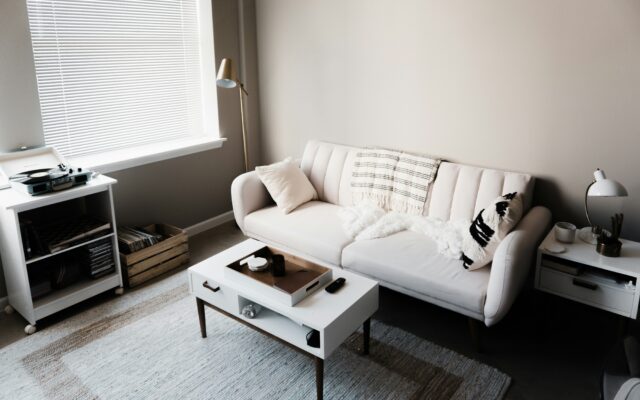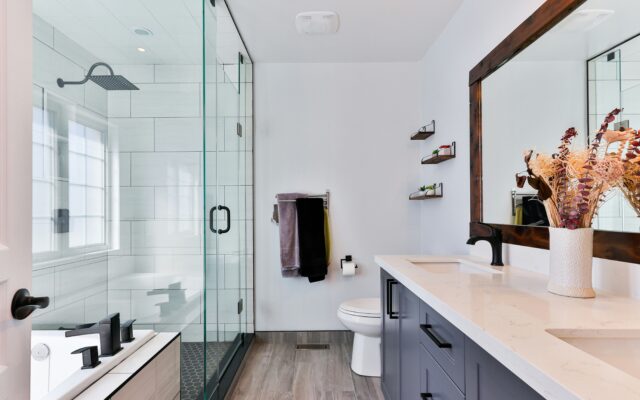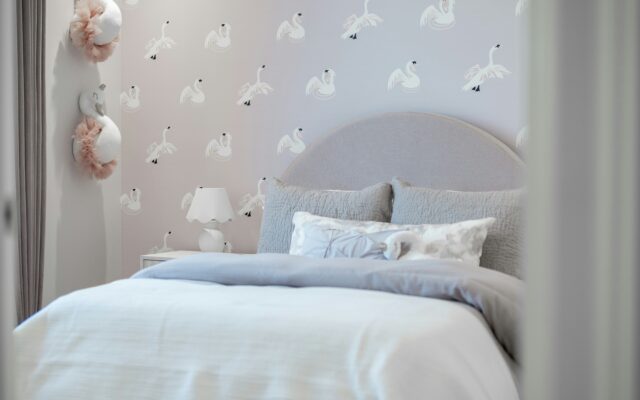
Not every room gets great natural light, but that doesn’t mean it has to stay empty of greenery. A handful of indoor plants for low light actually thrive in dim corners, north-facing rooms, and spaces far from a window.
What “Low Light” Actually Means
Low light doesn’t mean no light. A plant needs at least some natural light coming through a window or door to survive long-term. According to The Sill, low-light plants are typically positioned a few feet from a window, somewhere the sky isn’t directly visible but light still reaches the space.
If a room is so dark you can’t comfortably read a book in it during the day, even the hardiest plants will eventually struggle without some kind of supplemental light.
Snake Plant: The Nearly Impossible to Kill Option
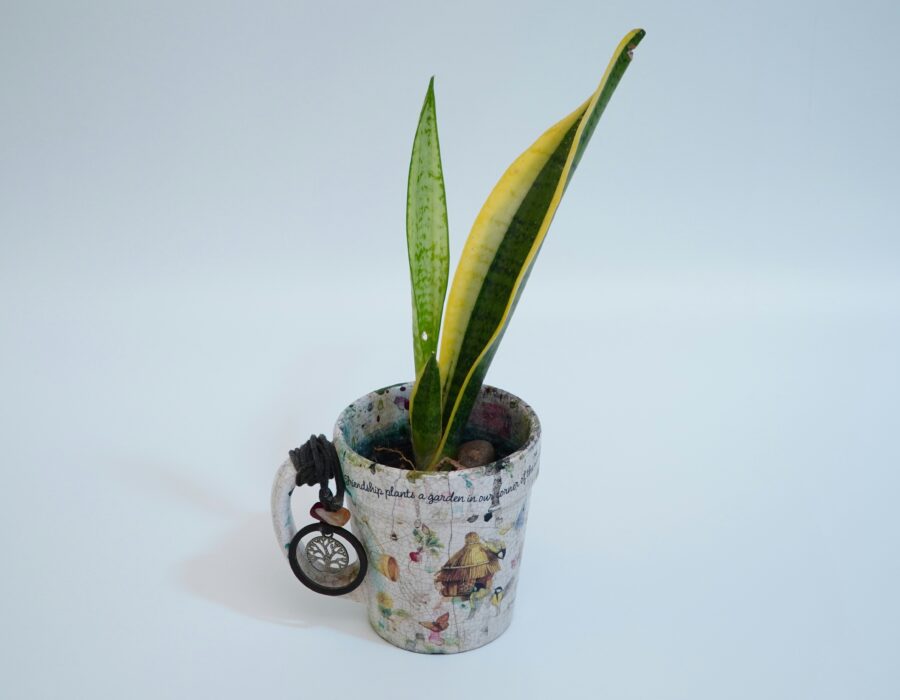
The snake plant is often the first recommendation for a reason. It tolerates inconsistent watering, low humidity, and dim corners better than almost any other common houseplant.
Water it deeply every one to two weeks, letting the soil dry out completely between waterings. In genuinely low light, you can stretch that to every three weeks without issue. Its upright, sword-like leaves also add a clean, modern shape to a room, which is a nice bonus for a plant that mostly runs on neglect.
Pothos: Fast, Forgiving, and Flexible
Pothos is a trailing vine that handles low light better than most trailing plants, which tend to need brighter conditions to keep their leaves full. It works well on a shelf, a mantel, or in a hanging planter where its vines can spill over the edge.
Water once the soil has dried out, usually every one to two weeks. Pothos also grows quickly even in average conditions, so it’s a satisfying choice if you want to see visible progress without much effort.
ZZ Plant: Built for Rooms People Forget to Water
The ZZ plant might be the single most forgiving houseplant available. It stores water in its rhizomes, thick underground stems, which means missing a watering or two rarely causes real damage.
Water only every two to three weeks, once the soil is completely dry. Its glossy, dark green leaves also catch what little light is available and reflect it back into the room, which makes it feel brighter even in a genuinely dim space.
Peace Lily: A Low-Light Plant That Also Blooms
Most low-light plants are chosen for foliage alone, but the peace lily is an exception. It tolerates low light well and can still produce white blooms, though flowering slows down without brighter, indirect light in the colder months.
Keep the soil consistently moist, but not soggy, since peace lilies are less forgiving of dry soil than the other plants on this list.
Parlor Palm: A Compact, Pet-Friendly Choice
If pets are part of the household, the parlor palm is worth considering, since it’s non-toxic and stays compact even in lower light. It’s a slower grower in dim conditions, which actually works in its favor for smaller spaces where you don’t want a plant outgrowing its spot too quickly.
Water when the top half of the soil feels dry. A bit of extra humidity helps, but it’s not a strict requirement.
A Few Things That Make or Break Low-Light Plants
Position matters more than most people expect. Even a low-light plant does better placed near, rather than far from, whatever natural light a room does get.
Watering habits need to change too. Since low-light plants grow more slowly, they use less water than the same species would in a bright room. Overwatering, not underwatering, is the more common way people accidentally kill a low-light plant.
Rotating the plant occasionally also helps it grow evenly, since it will naturally lean toward whatever light source it has.
Should You Add Artificial Light?
If a room gets genuinely minimal natural light, a simple grow light can help fill the gap without looking clinical or out of place. LED grow lights have become compact and affordable enough to sit discreetly on a shelf rather than dominating the room.
This isn’t necessary for most of the plants on this list, since they’re chosen specifically for their tolerance of low light. But in a truly windowless space, some supplemental light will keep them healthier long-term.
The Takeaway
Good indoor plants for low light exist for nearly every style and effort level, from the nearly indestructible snake plant to the slightly more particular peace lily. The key is matching watering habits to the lower light level, not treating a shaded plant the same as one sitting in a sunny window.
If your low-light room is also a north-facing space, choosing the right wall color alongside the right plants makes the whole room feel warmer and more intentional, rather than just dim.