A first renovation comes with a steep learning curve. Knowing the common renovation mistakes other first-time homeowners make can help you avoid repeating them.
Underestimating the Real Budget
Almost every renovation costs more than the initial estimate. According to Nationwide, building in an extra 20% on top of your planned budget helps you handle the surprises that consistently come up during a project.
This buffer isn’t pessimism, it’s realism. Hidden issues behind walls, material price changes, and small scope additions all add up quickly if you haven’t planned for them.
Skipping a Proper Property Evaluation
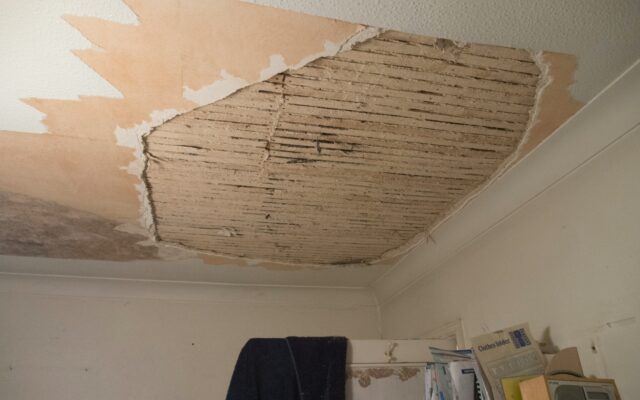
Jumping into renovation without a thorough inspection first is a common and costly mistake. A comprehensive evaluation can uncover water damage, structural weaknesses, or outdated electrical systems before you’ve committed to a specific plan.
Finding these issues after demolition begins is far more disruptive and expensive than identifying them upfront, when you can still adjust your budget and timeline accordingly.
Starting Without a Clear Plan
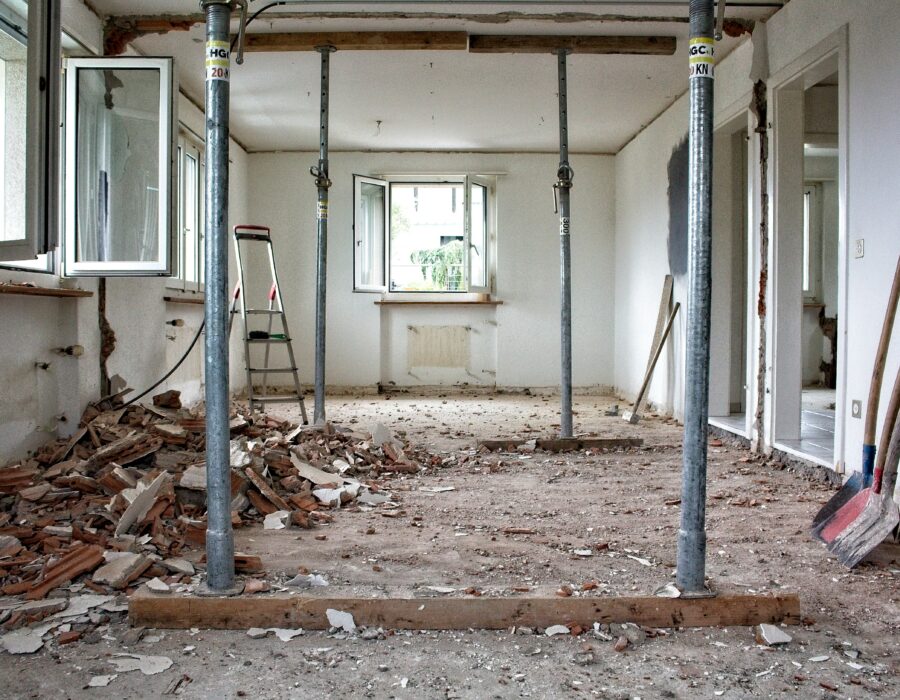
It’s tempting to begin demolition quickly, especially when you’re excited about a project. But starting without a clear, detailed plan often leads to delays and costly mid-project changes.
Take time to fully define what you want before any physical work begins. A general idea isn’t the same as a real plan, and the gap between the two is where most budget overruns start.
Prioritizing Looks Over Function
A beautiful renovation means little if the home’s core systems are failing. Spending heavily on cosmetic upgrades while ignoring an aging furnace, questionable plumbing, or outdated wiring is a common first-timer mistake.
A useful framework: fix what’s dangerous first, then what’s broken, then what’s annoying, and finally what’s simply ugly. Following this order protects your investment far better than starting with the most visually exciting project.
Chasing Trends Over Timeless Design
Fresh, current looks feel exciting during planning, but trends fade faster than most renovation budgets recover from. Considering how flooring, wall color, cabinetry, and lighting work together as a cohesive whole tends to age better than chasing individual trendy elements.
This doesn’t mean avoiding personal style entirely. It means weighing resale value and long-term satisfaction alongside whatever’s currently popular.
Ignoring Permits to Save Time
Skipping required permits might seem like a shortcut, but it risks fines, forced removal of completed work, and complications when you eventually sell the home. Permit requirements exist for genuine safety and structural reasons, not just bureaucracy.
Building permit timelines into your project schedule from the start prevents this step from becoming an unwelcome surprise partway through.
Hiring Based on Price Alone
Choosing the cheapest contractor available often leads to rework, delays, or lower-quality results that cost more to fix later than a slightly pricier, more experienced option would have cost upfront.
Vetting contractors properly, checking references, reviewing past work, confirming licensing, takes time. But it consistently prevents the kind of construction mistakes that derail a renovation’s budget and timeline.
Not Waiting to Live in the Space First
For non-urgent projects, like a fully functional but outdated kitchen or bathroom, waiting a year or two before a full remodel often leads to better decisions. Living in a space reveals its real strengths and weaknesses in a way that planning on paper simply can’t.
This is particularly true for layout changes. What seems like an obvious improvement on paper sometimes turns out differently once you’ve actually experienced how a room functions day to day.
Underestimating How Much Renovations Disrupt Daily Life
First-time renovators often underestimate how disruptive construction actually is, dust, noise, limited access to key rooms, and unpredictable schedules. Planning for this disruption, rather than being surprised by it, makes the process considerably less stressful.
This might mean arranging temporary kitchen setups, adjusting your daily routine, or simply setting realistic expectations with family members before work begins.
Not Building In Contingency Time
Just as budgets need a buffer, so do timelines. Almost every renovation project takes longer than initially planned, whether due to material delays, unexpected repairs, or scheduling conflicts with contractors.
Building extra time into your project timeline, similar to your budget buffer, reduces the stress of an inevitable delay and prevents rushed, lower-quality decisions made under time pressure.
The Takeaway
The most common renovation mistakes first-time homeowners make share a theme: insufficient planning and unrealistic expectations about cost, time, and disruption. Budgeting extra for surprises, prioritizing function over looks, and taking time to plan properly before demolition begins all prevent the most expensive and frustrating problems.
Since good sequencing is just as important as good planning, understanding the proper order of renovation work helps ensure your first project avoids the costly rework that comes from doing things out of order.