Choosing new flooring comes down to more than looks. A good laminate vs vinyl vs tile flooring comparison has to weigh durability, moisture resistance, and how each material actually performs in daily use.
What Each Material Is Made Of
Laminate consists of a high-density fiberboard core topped with a photographic design layer and a protective wear layer. It mimics wood or stone visually but doesn’t repair the way real wood can.
Vinyl comes in sheet, tile, or plank form, made primarily from PVC. Luxury vinyl plank (LVP) mimics wood, while luxury vinyl tile (LVT) recreates the look of stone or ceramic.
Tile refers to ceramic or porcelain, with porcelain being denser and less porous. Both durability and slip resistance depend on the specific tile’s thickness and glaze.
Water Resistance Separates These Materials Fast
This is where the three options diverge most clearly. According to Home Depot, laminate and vinyl differ significantly in how they handle moisture, even though they can look similar on the surface.
Laminate handles dry areas well but struggles with water exposure. A soaked plank often needs full replacement, since water damage softens the core permanently.
Vinyl performs far better in wet conditions. Rigid-core luxury vinyl resists moisture well, making it a strong choice for bathrooms, kitchens, and basements.
Tile, when properly installed with the right underlayment, is highly water-resistant. But grout lines need attention, since they can stain or crack if the subfloor shifts over time.
Durability Depends on More Than Material Choice
Durability isn’t only about which material you pick. Traffic level, moisture exposure, subfloor preparation, and installation quality all affect how long any floor actually lasts.
A properly installed floor made from a durable material can last decades. A poorly installed one fails early, regardless of how good the material itself is on paper.
Tile Wins on Pure Hardness
Porcelain tile resists chips and scratches better than laminate or vinyl. This makes it a strong choice for heavy-traffic areas where surface wear is a real concern.
The tradeoff is comfort. Tile is firm underfoot, with no natural give, which some people find less comfortable to stand on for long periods compared to vinyl or laminate.
Vinyl Offers the Best Balance of Comfort and Durability
Vinyl provides more flexibility and shock absorption than tile, while still resisting dents, scratches, and stains effectively. This makes it a comfortable, practical choice for kitchens and other high-use areas.
Luxury vinyl in particular holds up well against daily wear, and pairing it with built-in underlayment adds a softer feel underfoot compared to standard options.
Laminate Offers Moderate Comfort With Some Tradeoffs
Laminate sits between tile and vinyl in terms of cushioning. It handles heavy furniture and everyday scratches reasonably well in dry rooms, but its wear layer can delaminate or warp if consistently exposed to moisture.
This makes laminate a better fit for living rooms and bedrooms than for kitchens, bathrooms, or basements where water exposure is more likely.
Cost and Installation Differ Significantly
Tile typically comes with the highest price tag, especially porcelain, and professional installation adds further cost due to the complexity of cutting, mortar, and grout work.
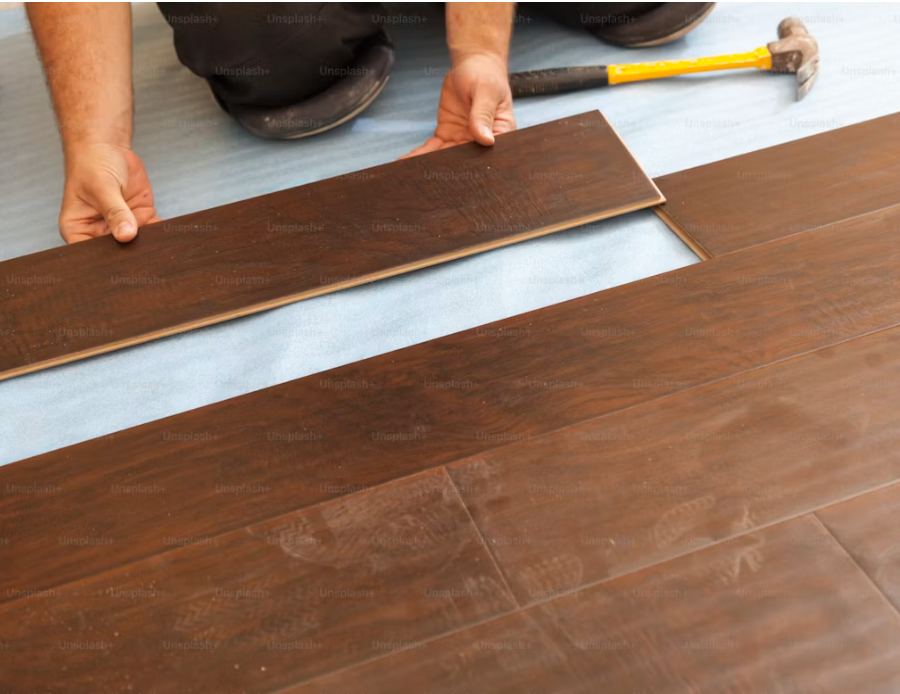
Laminate is generally the most budget-friendly and easiest to install yourself, often using a floating floor system that snaps together over an existing surface.
Vinyl sits in a comparable range to laminate for cost, with the added benefit of better moisture performance, which can make it the more practical choice for wet-prone rooms despite similar pricing.
Maintenance Requirements Vary by Material
Tile requires grout maintenance, which can be more labor-intensive than cleaning laminate or vinyl. Grout lines collect dirt and can discolor over time without regular attention.
Laminate and vinyl both require simple sweeping and occasional mopping. Neither needs the specialized grout care that tile does, making them lower-maintenance options for busy households.
Choose Based on the Specific Room
Rather than picking one material for the entire home, match the flooring to each room’s actual conditions. Tile or vinyl suits bathrooms and kitchens, where moisture is a constant factor. Laminate works well in bedrooms and living rooms, where dryness and comfort underfoot matter more than water resistance.
This room-by-room approach avoids the common mistake of choosing one flooring type based purely on overall preference, without accounting for how differently each space is actually used.
The Takeaway
A solid laminate vs vinyl vs tile flooring comparison comes down to matching material to the room’s real conditions. Tile offers unmatched hardness and water resistance at a higher cost. Vinyl balances durability, comfort, and moisture resistance well. Laminate offers an affordable, comfortable option for drier spaces.
Since bathrooms are one of the trickiest rooms to flooring correctly, pairing your flooring choice with other bathroom refresh ideas ensures the whole room, floor included, gets updated with the same moisture-conscious approach.