A single ceiling light rarely does a room justice. It flattens the space and leaves corners looking dull. Even expensive furniture can look flat under the wrong light. This is where a good layered lighting guide comes in handy.
The idea is simple. You combine three types of light instead of relying on one. Each layer does a different job. Together, they make a room feel finished instead of just lit.
The Three Layers, Explained Simply
First, there’s ambient light. This is your base layer. It’s the general glow that fills the whole room, usually from a ceiling fixture, recessed lights, or a central pendant. Ambient light sets the baseline. It’s what lets you walk into a room safely and see where everything is.
Next comes task light. This is focused and brighter than ambient light. Think of a lamp beside a reading chair, or under-cabinet lighting in a kitchen. Task light exists for a reason: it helps you actually do something, like read, cook, or work at a desk.
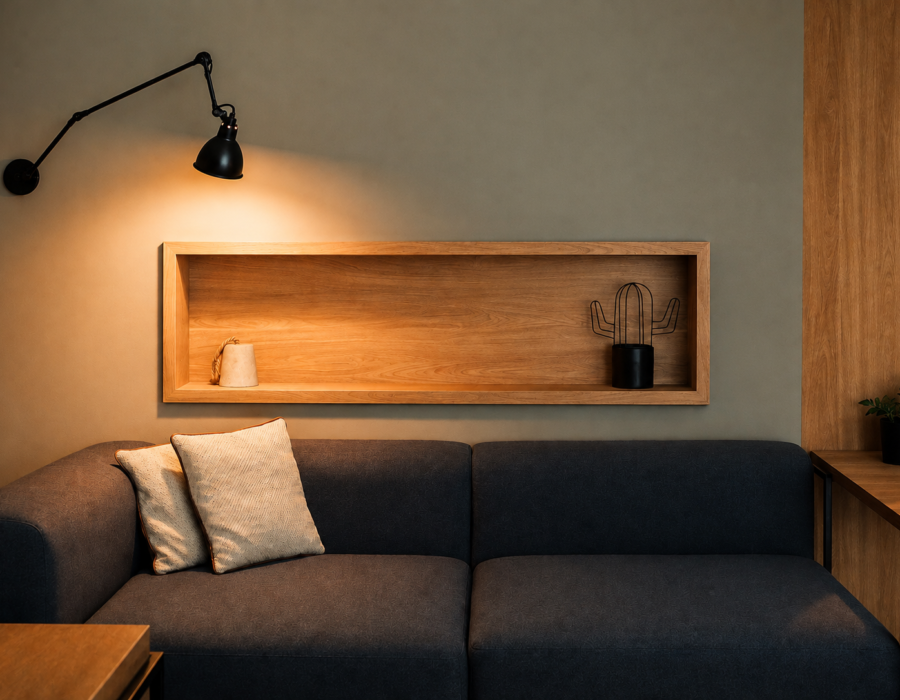
Finally, there’s accent light. This layer adds depth. It highlights art, a textured wall, or a favorite shelf. According to Lutron’s layered lighting guide, accent light should be noticeably brighter than the surrounding area to actually stand out. Otherwise, it just blends in and does nothing.
Most rooms need all three layers. But most rooms only have one, usually the ambient layer. That’s the gap this guide fixes.
Why One Ceiling Light Isn’t Enough
A single overhead fixture only gives you ambient light. So the room ends up flat, with no depth or mood control. Everything gets the same amount of light, which sounds fine in theory, but rarely looks good in practice.
Without task lighting, you strain to read or cook. You end up leaning closer to a book, or squinting at a cutting board. Without accent lighting, the room never feels finished, no matter how nice the furniture is. It just feels evenly, blandly lit.
There’s also a practical downside. One ceiling light gives you no flexibility. It’s either fully on or fully off. You can’t shift the mood from “get things done” to “relax” without changing the bulb itself.
How to Apply This Layered Lighting Guide Room by Room
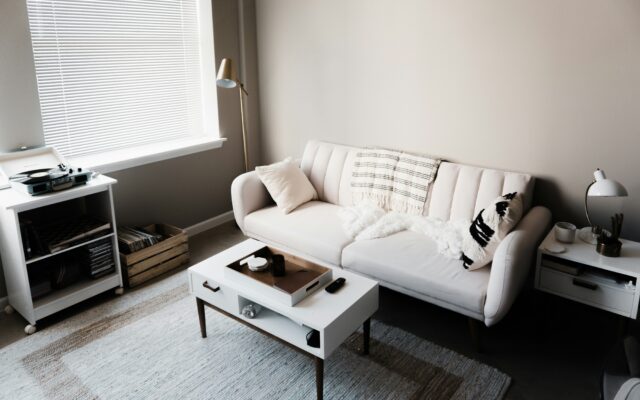
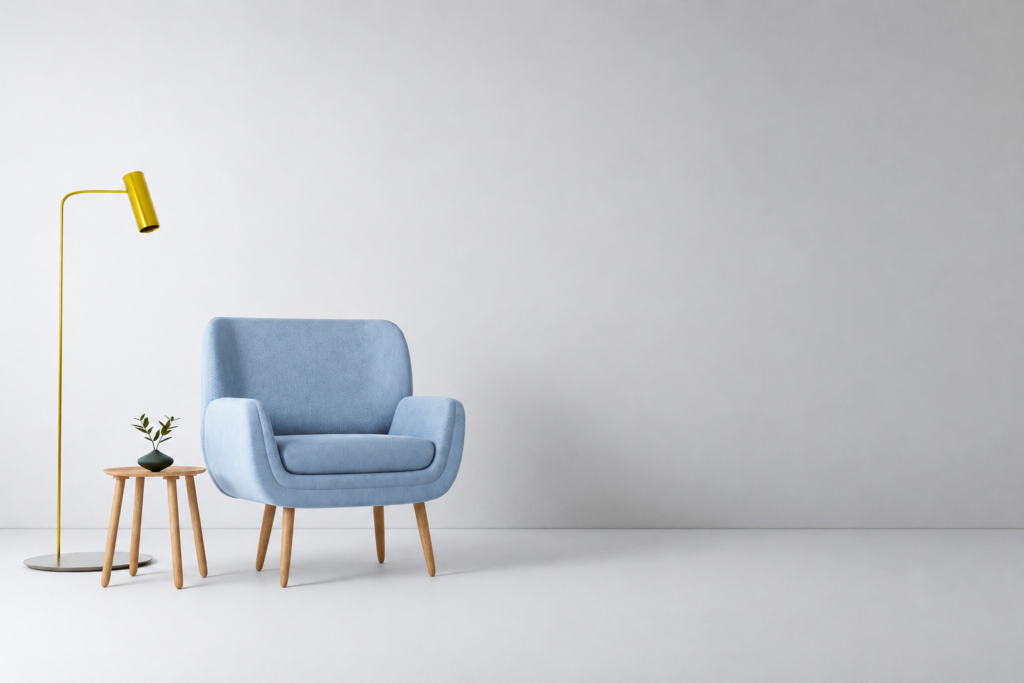
Start with the living room. Add a floor lamp near your main seating for task light, ideal for reading or using a laptop. Then, use a wall sconce or shelf light to highlight one feature, like a piece of art or a textured accent wall. Keep the ambient layer on a dimmer if you can, since living rooms shift use throughout the day.
In the kitchen, task lighting matters most. Under-cabinet lights over the counter make prep work easier and safer, especially at night. Pendant lights over an island double as both task and ambient light if placed well. Add a small accent light inside a glass cabinet for a softer, evening look.
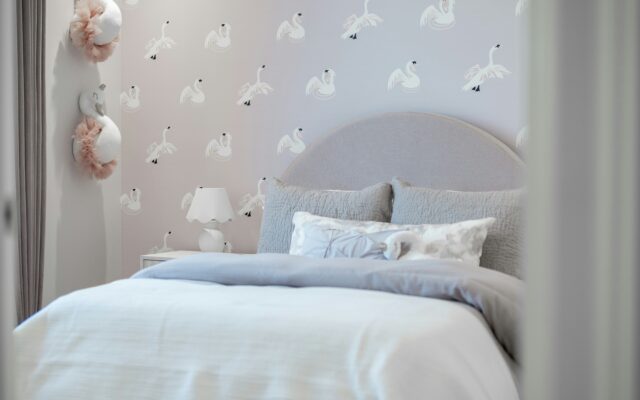
In the bedroom, keep ambient light low and soft. Harsh overhead light doesn’t belong in a room meant for winding down. Add a reading lamp on each side of the bed for task light, since this is the layer people forget most often here. A single accent light near a dresser or artwork rounds out the space without overpowering it.
In a home office, task light should come first. Position a desk lamp so it doesn’t create glare on your screen. Ambient light can stay simple here, since the room’s main job is function, not atmosphere.
Choosing the Right Bulb Color for Each Layer
Bulb color, measured in Kelvin, changes how each layer feels. Warmer bulbs, around 2700K to 3000K, suit ambient and accent lighting in most living spaces. They read as cozy rather than clinical.
Task lighting can go slightly cooler, closer to 3500K, especially in kitchens and home offices. This keeps detail work sharp without feeling sterile. However, avoid mixing very warm and very cool bulbs in the same room. It creates a mismatched, slightly uneasy look, even if you can’t immediately say why.
The Cheapest Fix You’re Probably Skipping
Dimmers are the easiest upgrade on this entire list. They cost little, usually less than a single lamp, and take less than an hour to install in most homes. But they let you shift a room’s mood in seconds, from bright and functional to soft and relaxed.
A dimmed ambient light in the evening does more for atmosphere than any amount of decor. If you only make one change this week, add a dimmer to your main living room fixture.
A Few Common Mistakes to Avoid
Don’t rely on a single light source for an entire room, even if it’s a large or expensive fixture. One source always means flat lighting, no matter how good the fixture looks on its own.
Avoid placing task lighting where it casts a shadow over your own work area. A lamp positioned behind you while reading, for example, often does more harm than good.
Finally, resist the urge to make every layer the same brightness. Contrast between layers is what creates depth in the first place. If everything is equally bright, the layering effect disappears entirely.
The Takeaway
A good layered lighting guide comes down to three layers, not one fixture: ambient for the base, task for function, and accent for depth. Add a dimmer where you can, and match bulb color to each layer’s job.
Once your lighting works room by room, choosing the right wall color becomes a lot easier too, since color and light always work together to shape how a room actually feels.