Choosing a light bulb sounds simple. But warm vs cool lighting actually changes how a whole room feels. Get it wrong, and even a beautifully designed space can feel off.
What Warm and Cool Lighting Actually Mean
Light color is measured in Kelvin (K). Lower numbers mean warmer light. Higher numbers mean cooler light.
This trips people up at first. It feels backwards. But think of a sunset versus daylight. A sunset is warm and low in Kelvin. Midday sun is cooler and higher in Kelvin.
The Kelvin Scale, Simplified
Most home bulbs fall between 2700K and 5000K. Here’s the basic breakdown:
2700K to 3000K gives warm, yellow-toned light. It looks like candlelight or an old incandescent bulb. This range feels cozy and relaxed.
3500K to 4000K sits in the middle. It’s called neutral white. It doesn’t lean strongly warm or cool.
4500K and above moves into cool territory. This light looks crisp, blue-white, and closer to daylight.
Why Warm Light Works So Well at Home
Warm light suits most living spaces. According to Philips, warm white light around 2700K is commonly used for relaxing spaces, and for good reason.
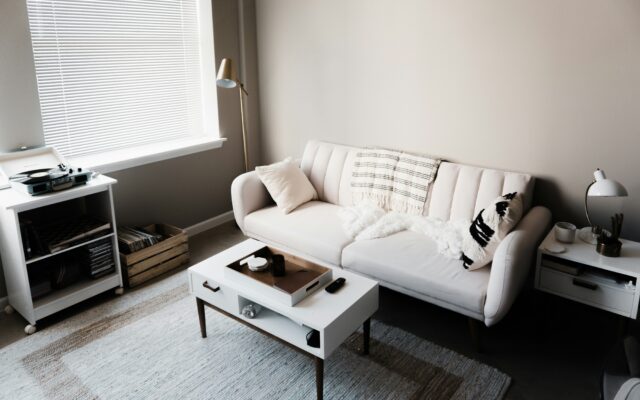
It’s the tone your brain associates with evening and rest. So living rooms, bedrooms, and dining rooms almost always feel better under warm light. Cool light in these spaces can feel sterile, even clinical.
Where Cool Light Actually Makes Sense
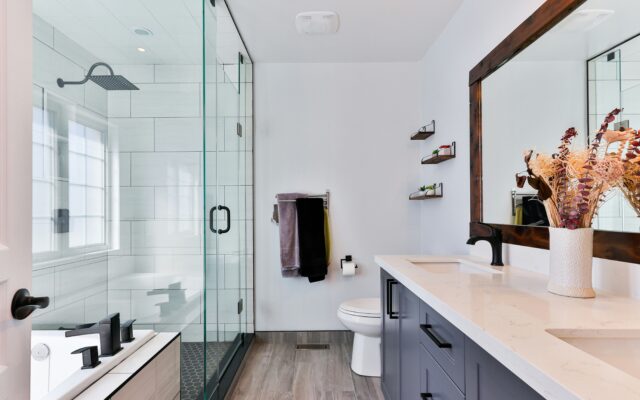
Cool light isn’t wrong, it just has a job. Bathrooms benefit from slightly cooler light for grooming tasks, where accuracy matters more than mood.
Garages and workshops do well with cool, bright light too. Same goes for home offices, where focus matters more than atmosphere. A neutral or cool bulb here helps you stay alert.
The Kitchen Is a Bit of Both
Kitchens are tricky. You cook, you eat, you also relax there sometimes. A neutral range, around 3000K to 3500K, tends to work best.
This gives enough clarity for food prep. But it doesn’t feel harsh during a quiet dinner. If you want more flexibility, tunable bulbs let you shift between warm and cool depending on the time of day.
Don’t Mix Temperatures in the Same Room
Here’s a mistake worth avoiding. Never mix warm and cool bulbs in one space. Even if each bulb looks fine on its own, together they clash.
The room will feel slightly off, and most people can’t say why. Pick one temperature range per room, and stick with it across every fixture.
Match Light to the Room’s Real Purpose
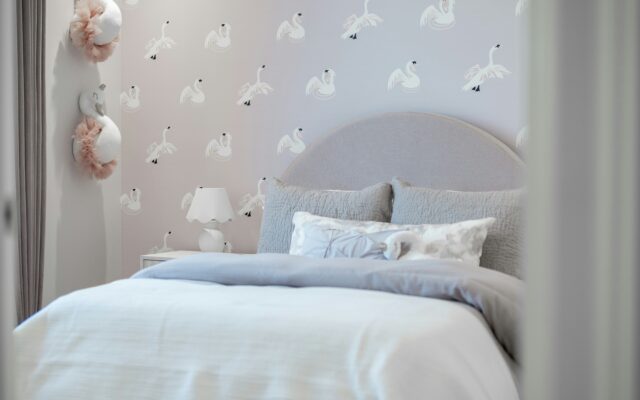
Before buying a bulb, ask what the room is actually for. A bedroom’s main job is rest. So warm light, around 2700K, almost always wins here.
A home office’s main job is focus. So neutral or slightly cool light, closer to 4000K, supports that better.
This one question solves most warm-vs-cool confusion. Match the light to the task, not just personal taste.
Consider Tunable Bulbs for Flexible Rooms
Some rooms serve more than one purpose. A living room might host movie nights and also daytime work sessions.
For these spaces, tunable white bulbs are worth the extra cost. You can shift from warm in the evening to neutral during the day, all from the same fixture. No rewiring needed.
A Quick Room-by-Room Starting Point
Living rooms and bedrooms: aim for 2700K.
Kitchens and bathrooms: aim for 3000K to 3500K.
Home offices and workshops: aim for 4000K or slightly higher.
These aren’t strict rules. But they’re a solid starting point if you’re unsure where to begin.
The Takeaway
Warm vs cool lighting isn’t about picking a favorite. It’s about matching light to what each room actually does. Warm light supports rest and relaxation. Cool light supports focus and precision.
Once your bulb temperature is right, layering ambient, task, and accent light in that same room finishes the job, since color temperature and lighting layers work together, not separately.